At the close of the High-Level Political Forum on Sustainable Development (HLPF), UN Member States committed to closing the $4 billion shortfall in the international agenda. The document, organized by the Economic and Social Council (ECOSOC), focuses on countries mobilizing public and private investment, reducing developing nations' debt, and fighting corruption.
This year's declaration does not ignore the geopolitical complexities of the current scenario. Condemning attacks on shipping routes and expressing concern over the UN budget, ECOSOC President Lok Bahadur Thapa hailed the consensus reached as proof of the strength of multilateralism. One of the document's main focuses is the eradication of extreme poverty, considered the greatest global challenge.
OECD data show a 23% drop in Official Development Assistance (ODA) between 2024 and 2025, driven by budget cuts from the five largest donors: the United States, the United Kingdom, Germany, France and Japan. Developing countries are calling for 0.7% of GDP to be allocated to international aid.
A report by UN Assistant Secretary-General Navid Hanif suggests that coordinated action and reducing the digital divide can accelerate progress even with limited resources. José Antonio Ocampo warned that the success of the 2030 Agenda depends on lowering interest rates and strengthening the financial capacity of multilateral banks.
The UN will hold an event next year to define the direction of the SDGs in long-term international cooperation. Deputy Secretary-General Amina Mohammed clarified that the organization is not seeking a replacement for the 2030 Agenda, but rather to consolidate current commitments over the next five years.
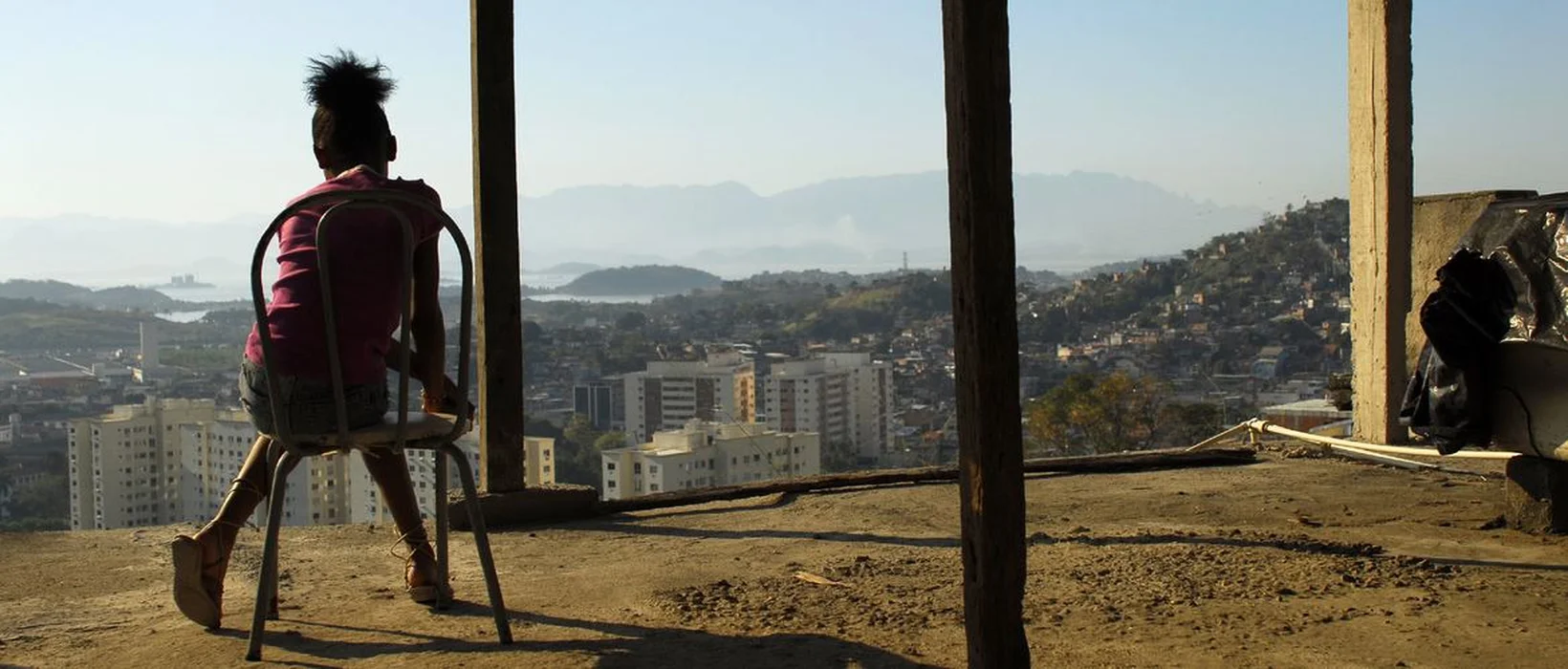
$4 billion shortfall challenges progress on the 2030 Agenda
16/07/2026