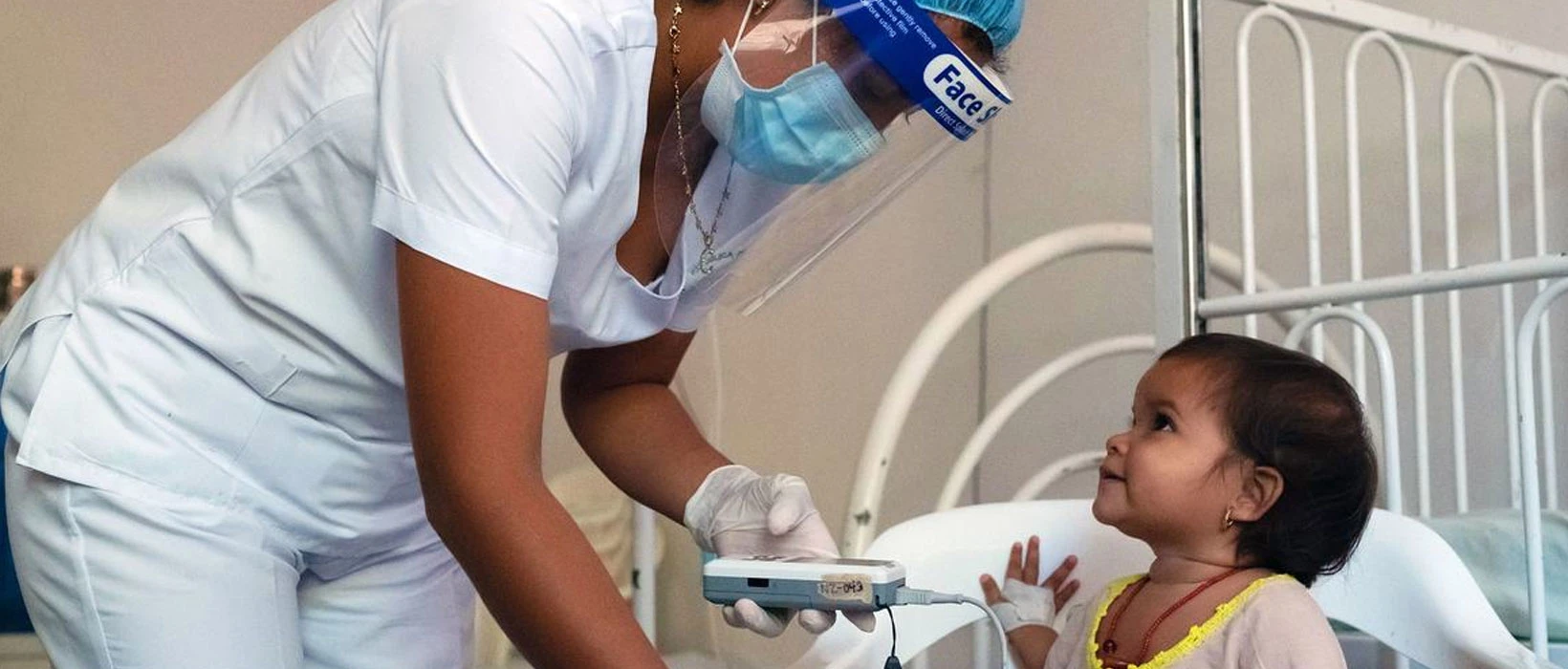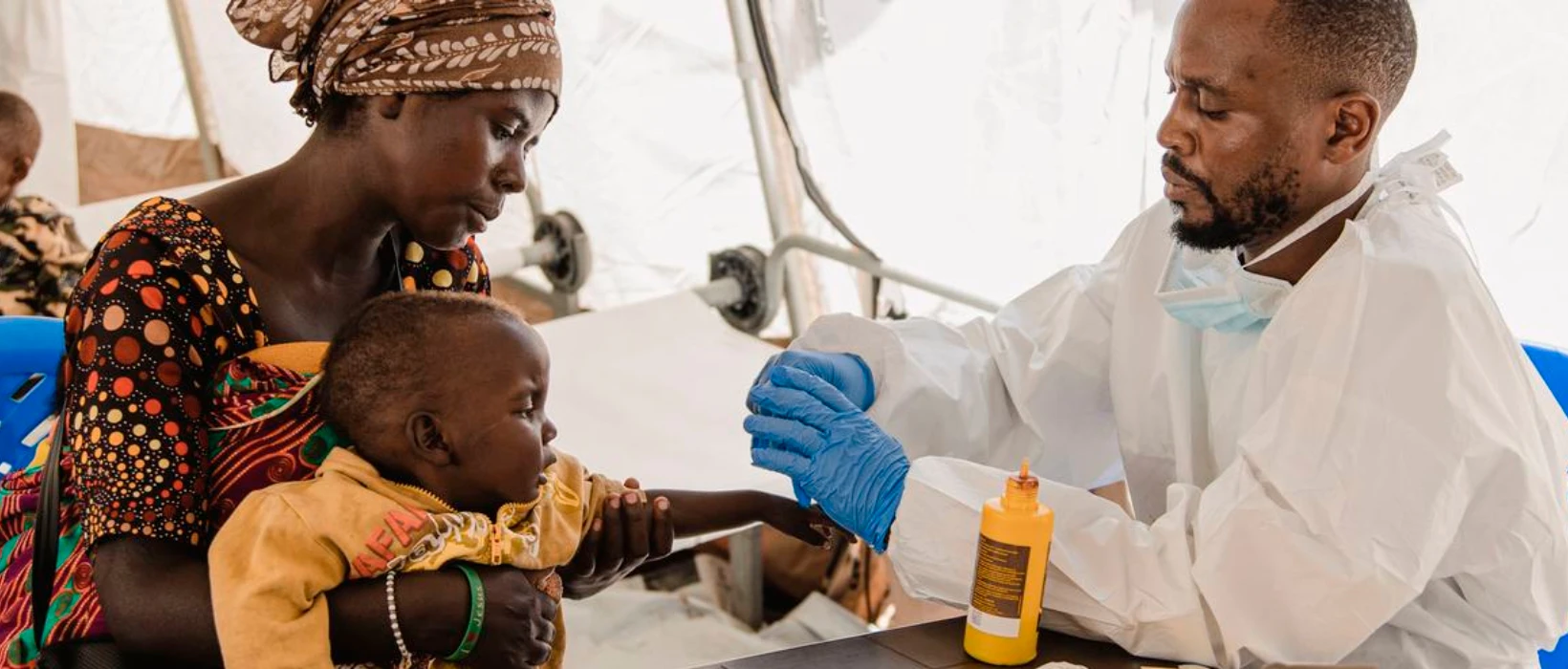
In 2025, more than 90% of babies worldwide, around 116 million, received at least one dose of the diphtheria, tetanus and pertussis (DTP) vaccine. Data released by WHO and UNICEF show that 85%, or 110 million children, completed all three doses.
Estimates indicate a slight improvement over the previous year, but global coverage remains one point below 2019 levels, the benchmark for the Immunization Agenda 2030 targets.
In Brazil, first-dose DTP coverage hit its lowest level in 2021 (74%), recovering to 98% in 2025. For all three doses, coverage reached 86% in 2025, compared to 68% in 2021. Among Portuguese-speaking countries: Portugal 99%, Cabo Verde 93%, Mozambique 90%, Guinea-Bissau 90%, Timor-Leste 89%, São Tomé and Príncipe 87%, Equatorial Guinea 84% and Angola 67%.
According to WHO, there are 19.6 million children who are unvaccinated or under-vaccinated. Of that total, 13.5 million are "zero-dose" (with no immunization at all in their first year), leaving them vulnerable to preventable diseases. The remaining 6.2 million received only partial protection.
Globally, there are 674,000 more children in the "zero-dose" category compared to 2019, but 745,000 fewer than in 2024. Nine countries account for 52.4% of all "zero-dose" children: Nigeria, the Democratic Republic of the Congo, Yemen, India, Indonesia, Ethiopia, Afghanistan, Pakistan and Angola.
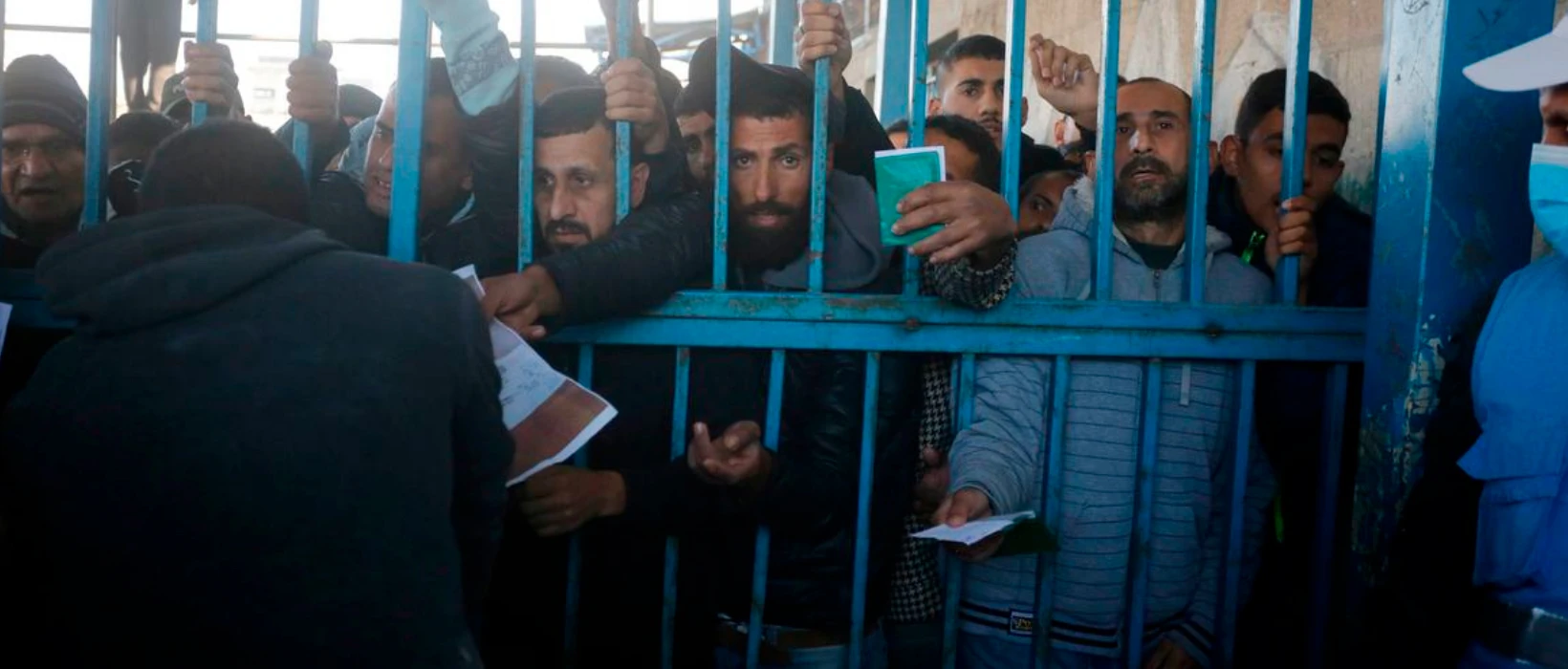
More than half of "zero-dose" children live in fragile, conflict-affected or vulnerable countries, even though these represent only about a third of the world's child population. In these contexts, immunization programs frequently suffer from political instability, insecurity or chronic underfunding. In Syria, first-dose DTP coverage fell six percentage points in a year, while measles coverage dropped 12 points.
Sudan recorded the biggest improvement of any country over the past year, increasing first-dose DTP coverage by 35 percentage points and first-dose measles coverage by 22 points.
According to WHO Director-General Tedros Ghebreyesus, "every child, whether born into wealth or poverty, deserves the life-saving protection that vaccines provide." Immunization is one of the most cost-effective, equitable and reliable interventions for protecting children's health.
In middle- and high-income countries, even where vaccines are available, coverage is declining due to reduced political commitment, structural challenges and rising vaccine hesitancy. In South Africa, first-dose DTP coverage has fallen 20 percentage points since 2019 and continued to decline in 2025.
Of the 195 countries assessed, 100 have maintained at least 90% coverage with all three DTP doses since 2019, with little progress toward expansion. Among those below 90% in 2019, 30 managed to improve over the past six years, while 65 remain stagnant or are losing ground.
Regarding HPV, 33% of girls (around 22.5 million) received at least one dose in 2025. Of the remaining 44 million, 32% were not reached by programs in their countries, and 35% live where the vaccine is not part of the immunization schedule. Final-dose coverage rose from 28% to 31% in 2025.
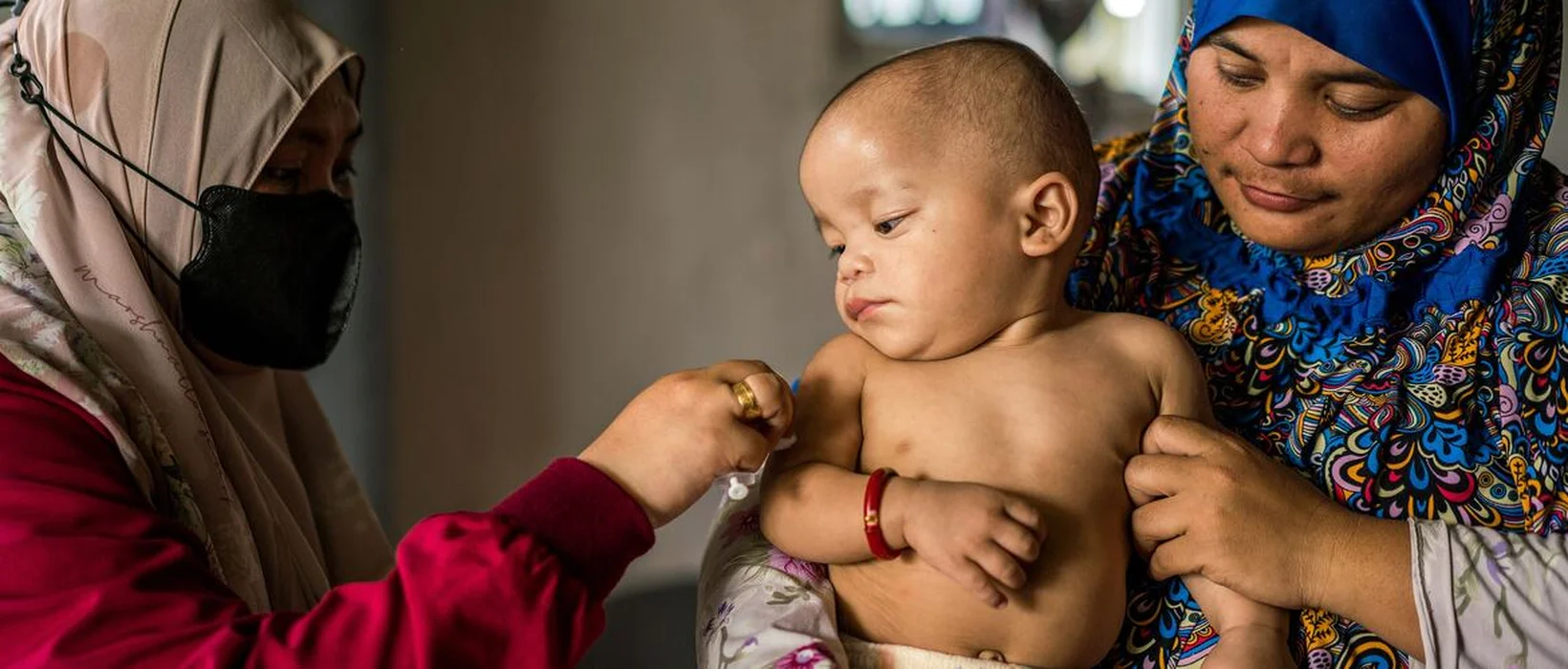
13.5 million children received no vaccines in their first year of life
15/07/2026